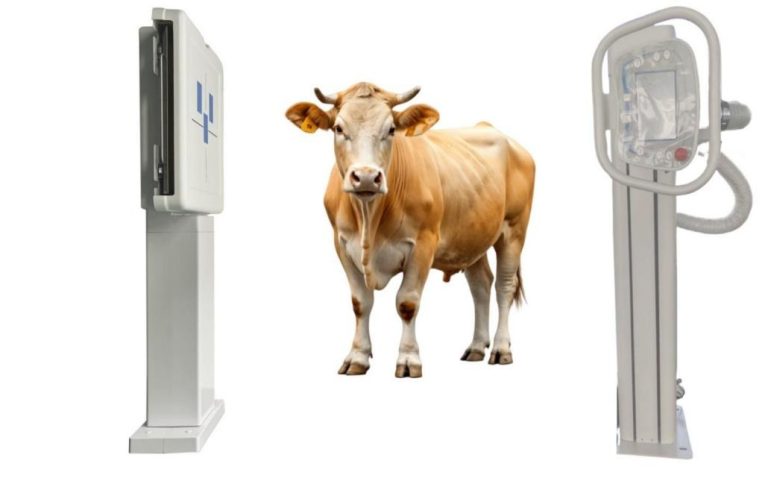
Two Veterinary X-Ray Quotes, One Machine on Paper: How to Compare Them Line by Line
Quick answer: two quotations for a veterinary X-ray system rarely describe the same package, even when the model name looks identical. Put both quotes into one table with the same line items — generator, tube, detector, table, software, installation, training, warranty and delivery — then mark every blank as “not stated.” The quote that looks cheaper often loses a detector, a table function or a service term somewhere in those blanks.
Phone / WhatsApp: +86 19062611512 | Email: admin@newheek.cn
Why do two quotes for the same machine end up looking nothing alike?
A quotation is a snapshot of what one supplier chose to include. One writes a generator, a tube head and a panel. Another writes the same three things plus a table, a workstation, a carrying case and an installation visit. Both are honest documents. Neither is a complete description of a working radiography room.
The gap opens at the enquiry stage. If the first message only says “I need a veterinary X-ray machine,” each supplier fills the missing parts with its own assumption. One assumes a practice that already owns a table. Another assumes a clinic starting from nothing. The two numbers that come back cannot be compared, because the thing being priced is different.
The fix is unglamorous and it works: describe the room and the caseload before asking for a price, then insist that both offers use the same list of lines.
What should be written down before the first quote is requested?
A short intake note saves weeks of back-and-forth. It does not need technical language. What matters is that both suppliers receive the same facts.
Start with the animals. Note the smallest and largest patients seen in a normal week, and the body parts imaged most often — limbs, chest, abdomen, spine, or hooves. A clinic doing mainly small-animal limbs and a mixed practice doing bovine work are not buying the same output, and a supplier cannot guess which one is asking.
Then describe the room and the setup. Is there a dedicated X-ray room, a shared space, or no room at all yet? What is the mains supply at the planned position? Is there a table already, and if so does it take film, CR plates or a digital panel? Add the destination country, the number of units, and whether the equipment will move between sites. Those details decide documentation, packing and shipping lines that otherwise appear late.
Finally, say what digital work is expected. Image storage, sharing with a referral clinic, and DICOM connection are ordinary requirements now, but inclusion in the base price varies. Putting the requirement in the first message makes it a line item rather than a later surprise.
Which lines belong in a comparison table?
Set up a blank table with the same rows for every supplier. Resist the urge to compare total prices first — the total is the last thing that becomes meaningful.
Useful rows are: system type (handheld, portable, fixed or table-based); generator rated output and kV range; tube head; detector make, active area and connection type; whether a flat panel is supplied at all; the table and its movement; workstation and acquisition software; DICOM and storage; positioning accessories; protective equipment; installation; training; warranty by component; spare parts; shipping and import terms.
Each row gets one column per supplier. Where an offer is silent, write “not stated” rather than leaving the cell empty. A blank is information: it usually means the item is not included, or has not been priced yet, and both answers belong in the negotiation.
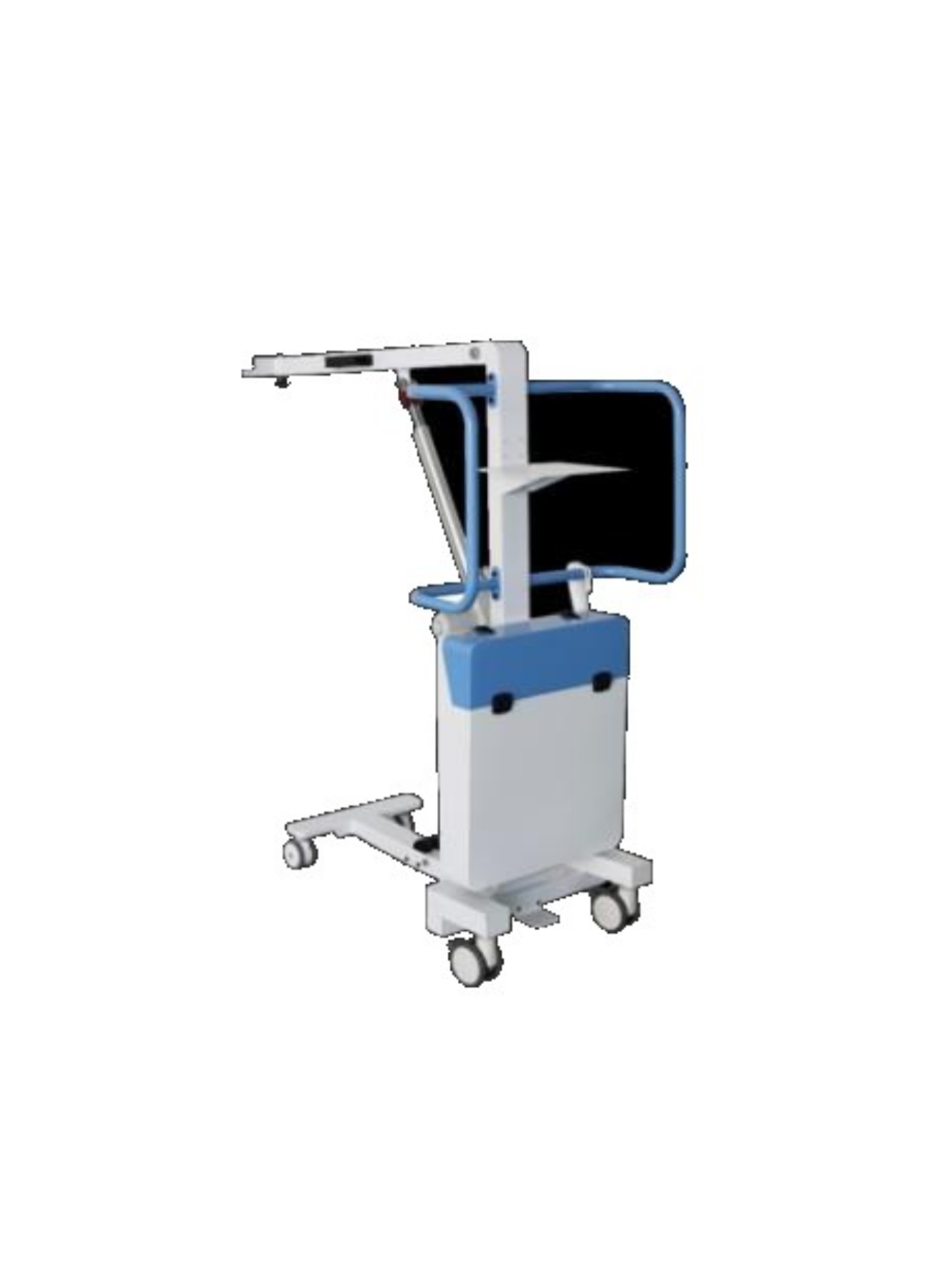
The portable X-ray range is a useful reference when filling the “system type” row, because it shows how a unit, a stand and a detector can be quoted as separate pieces or as one package.
Why does the detector line decide more than the generator line?
Generator output gets the attention in a brochure. The detector is the part that tends to decide the long-term bill. It is also the part most likely to be described in a single word — “digital” — that says nothing about what is supplied.
Ask what is actually included: the panel itself, its interface, a battery and charger if it is wireless, cables and a case if it is wired, and the software licence needed to receive images. A panel quoted without its interface is not a working detector.
Then ask for a sample image from the exact panel being offered, taken on a real patient. Better still, ask for the original DICOM file rather than a processed picture. A file from the unit on the quotation shows what that detector produces. A polished image from a different machine shows what the marketing department keeps on file.
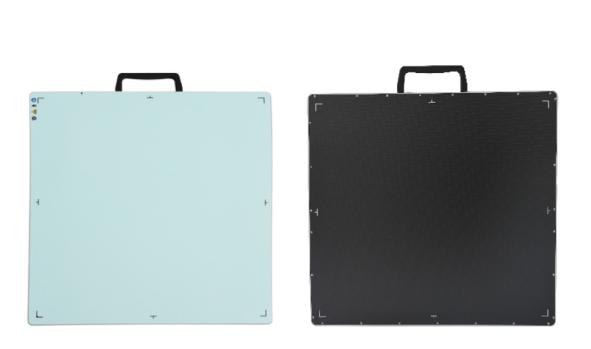
The difference matters most on thick anatomy and on repeat work. On a small limb, a modest panel can be perfectly adequate. On a large abdomen or a horse, panel size and efficiency change how many exposures are needed and how much retaking happens. The complete equipment guide sets out where each detector class fits; the quotation should name the specific one.
How should the “included” column be read?
The word “included” is only useful when the item is named. A line that reads “complete digital system” is not the same as a line that lists a generator, a tube head, a panel, a workstation and a table separately.
Read the table row carefully. Does the quoted table have a floating top, and does the lock hold in all four directions? Can it take CR plates as well as a digital panel, which matters if the move to digital is happening in stages? Is the tube head mounted on the table or supplied as a separate stand? These are workflow questions, but each one has a price attached.
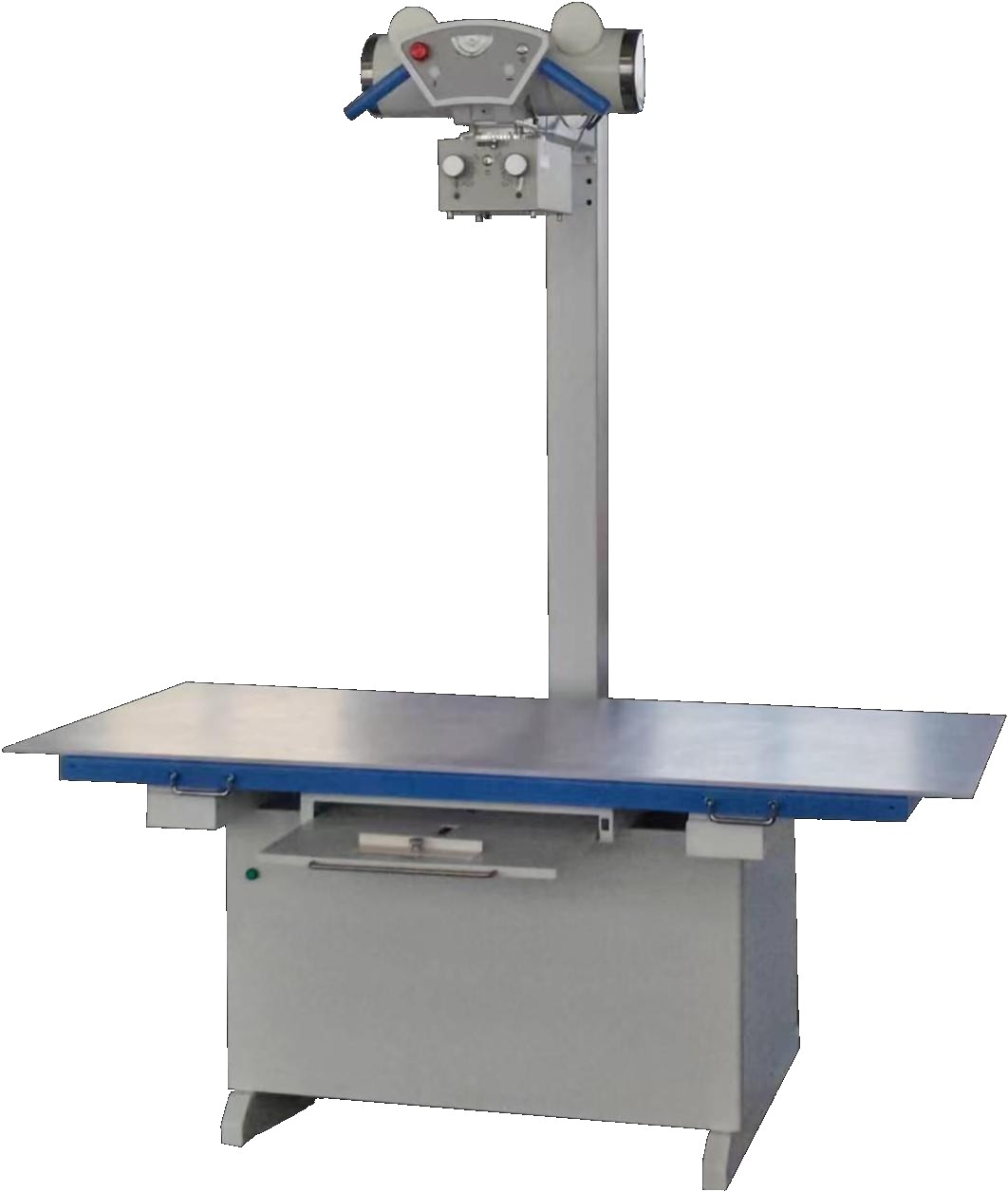
The radiographic table range shows the configurations that are usually confused in quotations. Comparing the named features, rather than the word “table,” is what makes two offers line up.
What stays off the quotation but still gets paid for?
Some costs sit outside the equipment price no matter how complete the quotation looks. Room shielding and any electrical work are arranged locally in most countries. A network point, storage, and a place to keep the detector and protective wear all cost something before the first image is taken.
Consumables and accessories are another quiet line. Positioning aids, grids, protective aprons and spare cables are easy to omit and awkward to discover after delivery. So is freight, import clearance and the paperwork required by the destination market.
None of these are hidden deliberately. They simply belong to a different budget. Writing them on the comparison sheet as “site costs — not quoted” keeps the equipment comparison honest and prevents a cheap offer from being judged against a complete one.
How do service terms change the real price?
Ask who installs the machine, who answers when image quality changes, and how replacement parts are sourced. Ask whether support covers the detector, the generator, the workstation and the software, or only the part the supplier made. A system assembled from several sources can leave the buyer holding a problem that each supplier attributes to another.
Read the warranty by component. A long generator term beside a short detector term is a common arrangement, and it is worth knowing before the order rather than after a detector fault. Ask how long panels and tubes remain available as spares, and whether software support continues after the first year.
Delivery is part of service too. Remote video guidance works well for straightforward installations; a busy referral hospital may need someone on site. The factory and support background gives context, but the answer that matters is the one written into the quotation.
Which questions separate a manufacturer from a reseller?
This is not about status. It is about who can change the machine when something does not fit. A supplier that builds the generator, tube head and table in-house can adjust a configuration as one system. A reseller has to ask each maker in turn.
Ask for technical documentation for the exact configuration: specifications, electrical requirements, installation notes, manuals and the regulatory documents relevant to the destination. Ask which languages the manual and the workstation software support. Ask, plainly, what can be customised and what cannot.
The answers are usually quick and specific from a factory, and slower and more qualified from an intermediary. That difference predicts how the next two years of support will feel.
Frequently asked questions
What single document makes two veterinary X-ray quotations comparable?
A blank table with fixed line items — system type, generator and kV range, tube, detector and what comes with it, table functions, software and DICOM, accessories, installation, training, warranty by component, spares and delivery. Fill both quotations into the same rows and mark every silent item as “not stated.” Prices become comparable only after that step.
Should sample images be requested before placing the order?
Yes. Ask for images from the exact configuration on the quotation, ideally as original DICOM files rather than processed brochure pictures. Review the same view on both offers — for example a lateral abdomen or a limb — so differences in panel size and image quality can be seen side by side.
Is a lower quotation ever the better choice?
Sometimes, when the missing lines genuinely are not needed. A clinic with a working table and a competent generator may only need a detector. The lower quote is the better one when those exclusions are written down and accepted. It is the worse one when those exclusions were left unspoken.
What information should accompany a request for quotation?
Species and weight range, the body parts imaged most often, expected weekly volume, the room and mains supply, the current setup, the detector size required, whether DICOM or PACS is needed, the destination country, quantity and target delivery date. The same note sent to every supplier produces offers that can actually be compared.
Does the warranty need to be checked component by component?
Yes. Generator, tube, detector and software often carry different terms. A long generator warranty beside a short detector term is common, and the detector is usually the expensive part to replace. Confirm the length, what is covered, and who responds, then write the answer into the comparison table.
Phone / WhatsApp: +86 19062611512 | Email: admin@newheek.cn